A Living Room Layout That Works Beyond the Photograph
Plan a comfortable living room around the way people enter, sit, talk and put their feet up.
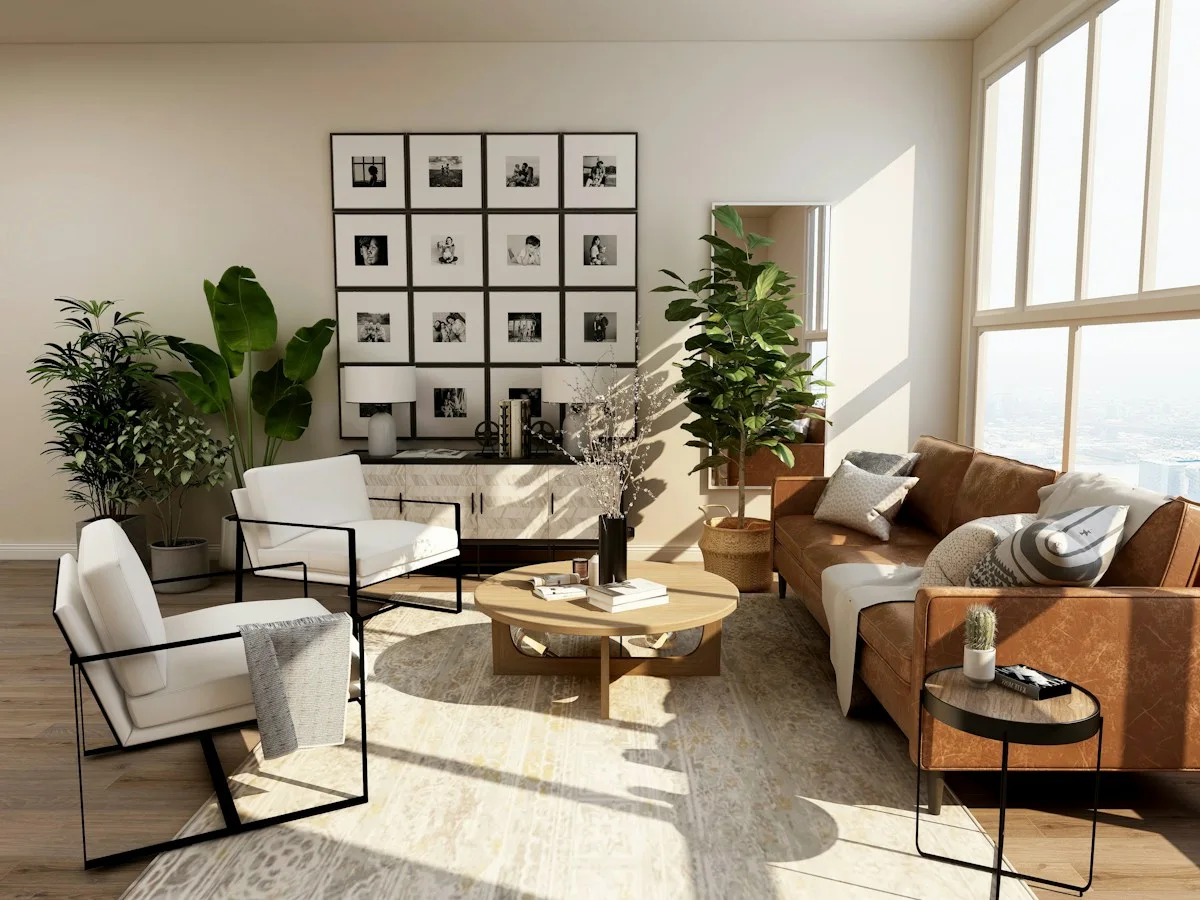
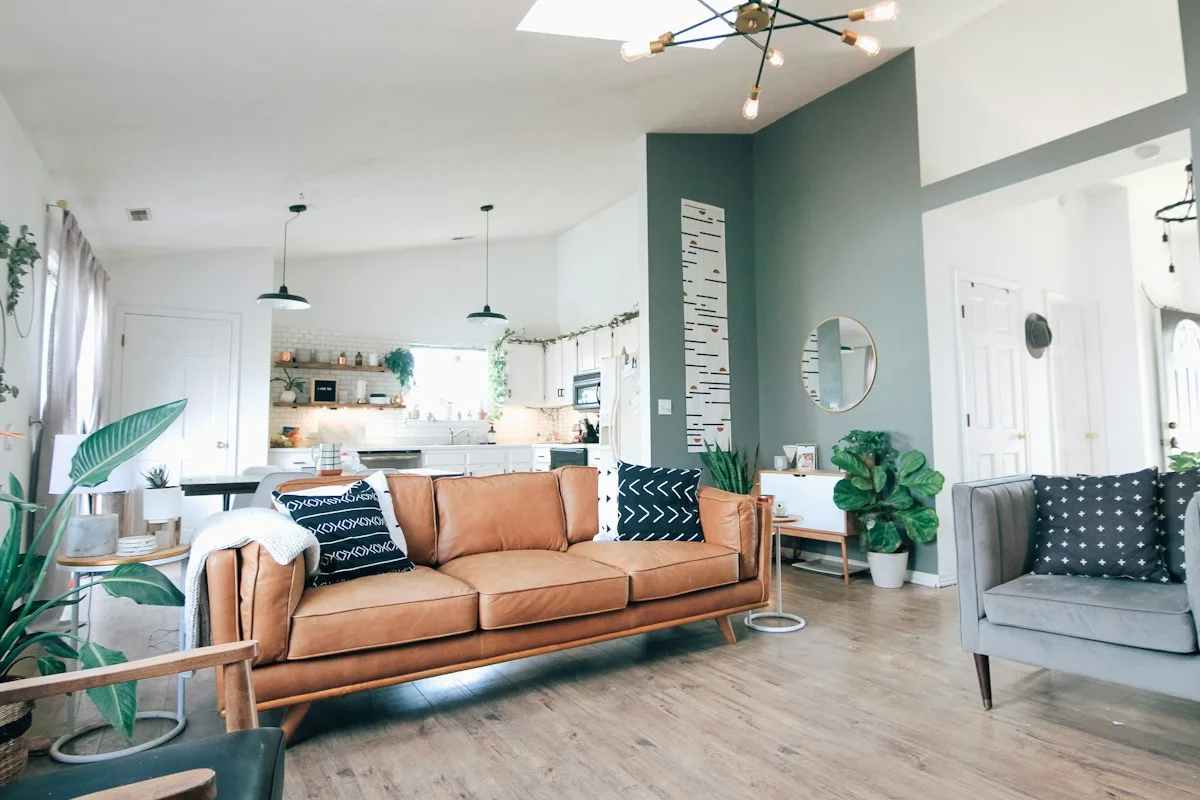
Lifestyle photography via Unsplash. Images illustrate the setting; pictured items are not product endorsements.
In this story
A living room can look beautifully composed and still be awkward at half past seven, when someone is carrying dinner through it and someone else wants to stretch out. Before thinking about a new sofa, watch what the room actually asks of you. Does the main route pass between the television and the seats? Is the only reading lamp behind a doorway? Those small interruptions are more revealing than the shape of a showroom display. A useful layout gives movement, conversation and everyday clutter an honest place.
Start with the way you use the space
Draw the room with doors, radiators, sockets and windows marked first. Add the places people need to reach, including curtains that must open and cupboards that must swing out. Then sketch the main seat facing whichever feature matters most: a fireplace, a view, a television or another seat. There is no obligation to make the television the centre of everything. If the room serves several purposes, use a rug and a lamp to give the seating area its own identity without inserting another large piece of furniture.
Try the arrangement before committing
Try the layout with existing furniture before ordering replacements. Move the armchair for a few evenings and use a cardboard box to represent a proposed side table. Notice whether anyone has to turn sideways, move a drink or step over a cable. Put everyday objects where the action happens: a coaster beside each regular seat, a basket near the place blankets collect, and a light where someone actually reads. A sofa floating away from the wall may improve the route, but only if the space behind it is genuinely usable.
What to look for when buying
For a sofa, distinguish overall depth from usable seat depth. Wide arms can consume space without adding a seat, while a low back may look light but feel wrong for your preferred sitting position. Compare the frame dimensions with your taped layout and check the delivery route through communal entrances as well as your own door. Read which upholstery parts are removable and how each part may be cleaned. A removable cover is not necessarily machine washable.
| Option | Why consider it |
|---|---|
| A compact sofa with a separate footstool | It lets the footstool move when guests need a seat or the route needs clearing. |
| A larger sofa with a chaise | It offers a permanent place to stretch out but commits more floor space. |
The compact sofa and footstool combination suits a room that changes between solo evenings and visitors. Check that the footstool can park somewhere sensible when it moves. A chaise is more convincing when the same person regularly uses that end and its projection leaves the busiest route open. Think about the room when everyone is home, not just the person who will get the most comfortable seat.
Compare sofa sizes at IKEA UK. Ordinary retailer link; recommendations above concern categories, not tested individual products.
A purchase worth reconsidering
Do not buy every piece from one coordinated collection simply because the dimensions add up. A heavy coffee table and deep sofa can make a modest room feel crowded even when both technically fit. Keep one generous comfort piece, then choose lighter supporting furniture.
Keep the change useful
After a week, ask which seat people avoid and where objects keep landing. Those answers identify the next adjustment. A rarely used armchair might work better beside the window; a constantly cluttered coffee table may need a nearby tray or drawer rather than stricter tidying.
Photograph the proposed furniture outline from the doorway, then put the phone down and walk the route carrying an ordinary tray. Sit where a visitor would sit and check whether conversation requires turning away from the group. If a side table repeatedly blocks a knee, move it before blaming the sofa. These checks expose compromises that are easy to miss in an overhead sketch.
Frequently asked questions
Should the sofa always touch a wall?
No. Position it around routes and sightlines. Pulling it forward can help, but leaving an unusable sliver behind it achieves little.
Do all seats need to match?
Matching comfort and scale matters more than identical upholstery. Repeating a colour in a cushion or artwork can connect different pieces.