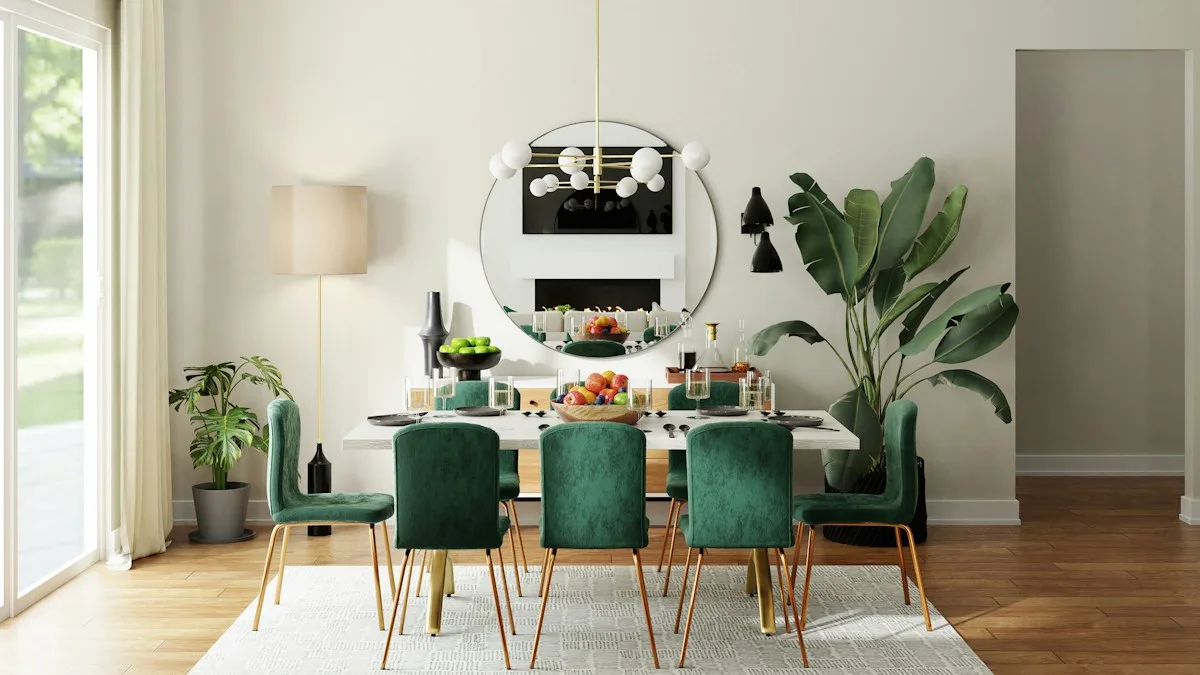
Set Up a Small Space for Gentle Movement at Home
Create a clear, practical place for a familiar movement routine without filling the room with equipment.
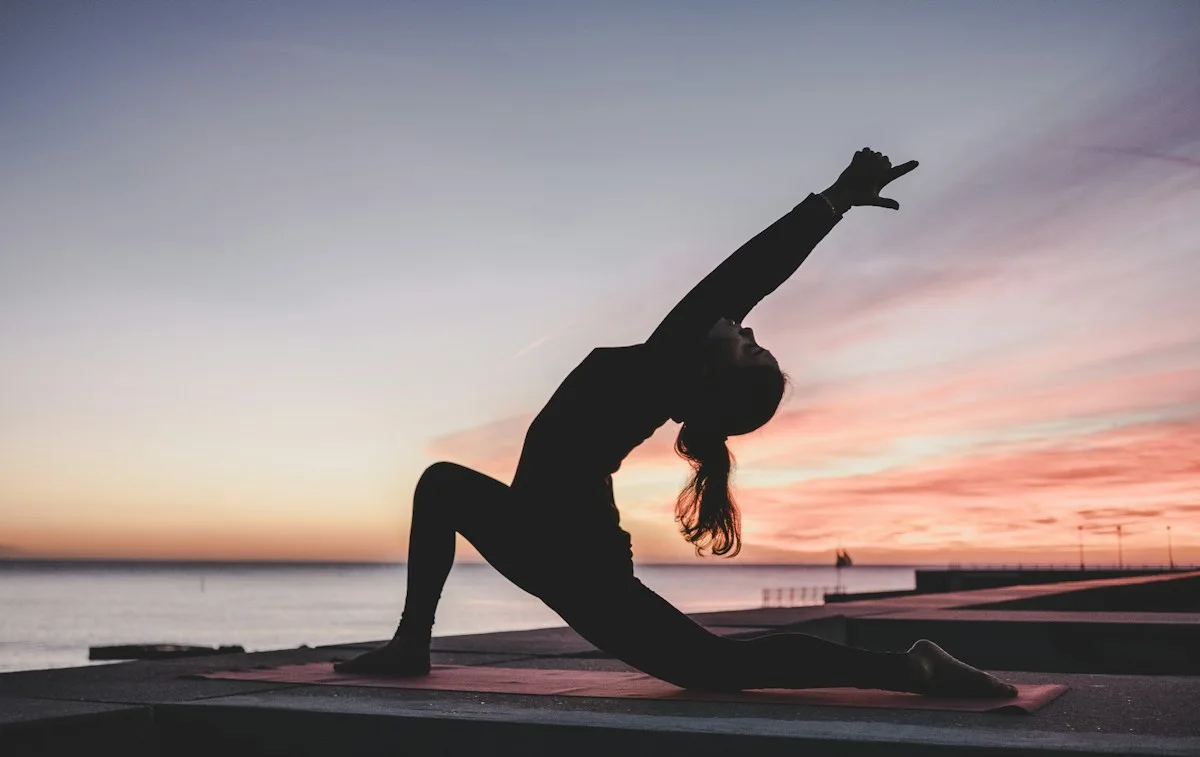
Lifestyle photography via Unsplash. Images illustrate the setting; pictured items are not product endorsements.
In this story
Movement at home often happens in a room that already has another job. The sofa moves a little, a mat unrolls and the space becomes available for a short routine. You do not need to furnish a private studio to make that transition easier. Start with the movements you already know are suitable for you and a clear place to perform them. This guide concerns the home setup, not an exercise prescription. Individual suitability and any health concerns should guide your choice of activity.
Decide what the arrangement needs to do
Check the whole movement area, including the space above and around you. Furniture edges, light fittings, pets and loose rugs can interrupt the routine. Choose a surface and setup appropriate to the activity and follow relevant equipment instructions. Keep the route out of the room clear. If a screen provides guidance, place it where you can see it without repeatedly twisting into an awkward position. Avoid arranging the room around advanced movements you have not learned safely.
Try the arrangement before committing
Store the equipment close enough that setting up feels manageable, but do not leave it across a shared route. A simple shelf or basket can hold small accessories after use. Clean the mat according to its manufacturer's advice and let it dry as directed before storage. Consider the noise and movement transmitted to neighbours or other rooms. When the space is shared, agree when it is available and how it will be restored afterwards. A reliable transition is often more useful than a permanent display.
What to look for when buying
When choosing a mat, read the intended activity and surface guidance rather than relying on a product photograph. Compare grip, cushioning, cleaning instructions and the space needed for rolling or folding it. Check the supplied dimensions against your clear floor area. If an instructor recommends an accessory for your familiar practice, confirm which features matter before buying a set. Equipment should match appropriate guidance, not tempt you into unfamiliar movements.
| Option | Why consider it |
|---|---|
| One appropriate mat with a storage strap | It keeps setup simple while you establish what you actually use. |
| A mat plus activity-specific accessories | It may support a familiar guided practice but takes more space and should not be bought speculatively. |
One suitable mat is enough for many simple home setups, provided it serves the activity safely. Extra blocks, straps or other accessories are worth considering when you know their purpose and have suitable instruction. Do not collect them just to make the corner resemble a studio. A basket that can be moved away from the working area may be more useful than several decorative pieces standing beside the mat.
Compare yoga and movement mats at John Lewis. Ordinary retailer link; recommendations above concern categories, not tested individual products.
A purchase worth reconsidering
Avoid assuming a thicker mat is automatically better for every activity. Materials and thickness affect the way a surface feels, and the suitable choice depends on what you are doing. Read the intended-use description and consider professional guidance where needed. Decorative appearance is a secondary consideration when choosing equipment that supports movement.
Keep the change useful
Prepare the space before beginning, then restore it afterwards: put the mat away, return the furniture and check the floor. If the setup repeatedly feels troublesome, reduce the number of items or choose another location. Keep movement within your abilities and stop if something feels wrong; a tidy corner is not a reason to push through discomfort.
Unroll the mat and rehearse the setup without beginning the full activity. Check its position against door swings, furniture edges and the screen if one is used. After putting everything away, see whether the room returns comfortably to its usual purpose. If setup requires repeatedly moving a heavy table, reconsider the location. Keep any actual movement appropriate to your abilities and seek guidance when you are unsure.
Frequently asked questions
Do I need a separate room?
No. A clear area in a shared room can work if it is suitable for the activity and can be used safely.
Should I buy a full accessory set?
Only buy equipment that serves a familiar activity or appropriate instruction. Unused accessories can make a small space harder to manage.