Create a Simple Journaling Place You Will Actually Use
Choose a comfortable writing spot and a modest notebook routine without turning reflection into homework.

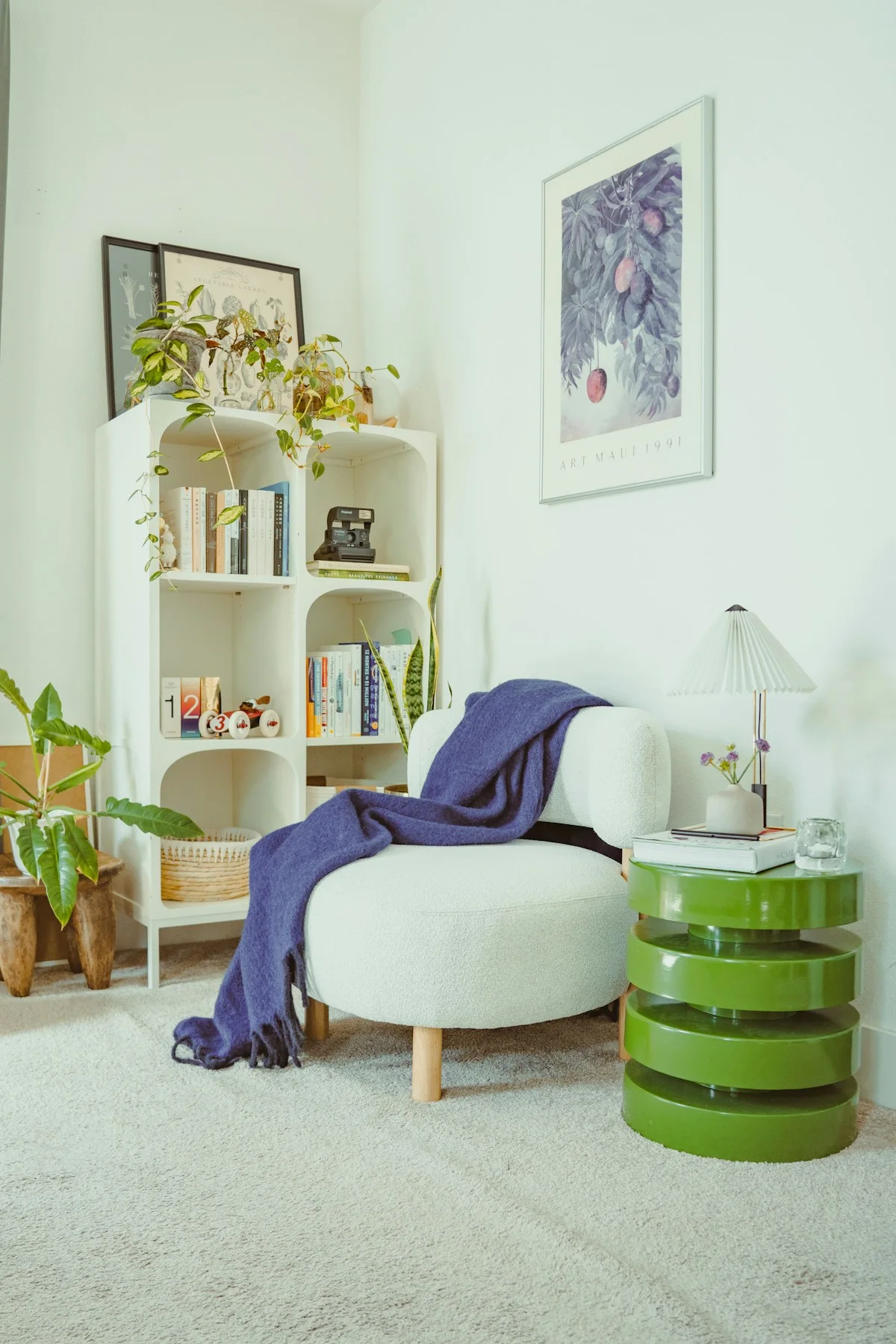
Lifestyle photography via Unsplash. Images illustrate the setting; pictured items are not product endorsements.
In this story
A notebook can offer somewhere to put plans, observations or the details of a day, but an elaborate journaling setup can make starting feel surprisingly difficult. You may not want coloured tabs, decorative prompts or a perfect page. Begin with a place to sit and a pen that works. The useful result is a record that serves you, whether that is a few practical notes before the week starts or a description of something you want to remember. It does not have to become another performance.
Give the everyday tasks a clear place
Decide what the notebook is for before choosing its format. A place for tasks may need easy-to-find pages, while informal writing may need little more than an open spread. Keep private writing somewhere appropriate, especially in a shared home. If you prefer a digital tool, think about device access and privacy settings. Neither format is inherently more thoughtful. Choose the one you can use comfortably and return to without searching for equipment or reconstructing a complicated system.
Put the practical details in place
Find a surface at a comfortable writing height and a light that makes the page easy to see. If the dining table is the best place, keep the notebook and pen together so the setup can arrive and leave in one movement. Try a prompt tied to something concrete: what needs attention tomorrow, what felt enjoyable today, or what would make a room work better? You can write in fragments. Leave space for uncertainty rather than forcing every entry to end in a lesson.
What to look for when buying
Open a notebook at the middle before choosing it where possible. A binding that resists staying open may be awkward for extended writing, while a very large page can be inconvenient at a small shared table. Check paper compatibility with the pen you enjoy and whether ink shows through in a way that bothers you. If privacy matters, consider where the book will be stored as carefully as the cover design.
| Option | Why consider it |
|---|---|
| A plain notebook with one reliable pen | It allows the purpose to change without unused sections. |
| A structured journal with printed prompts | It can help when a starting question is welcome but may feel restrictive on other days. |
A plain notebook leaves room for lists, sketches and unfinished thoughts without forcing them into a format. Printed prompts may be helpful when you welcome a starting question, but read sample pages before committing to a whole volume. Dated pages suit some people and irritate others when days are skipped. Pick the format that makes opening the book inviting, rather than the one that promises the most elaborate transformation.
Browse notebooks and writing supplies at John Lewis. Ordinary retailer link; recommendations above concern categories, not tested individual products.
A purchase worth reconsidering
Avoid buying a system that demands more upkeep than the writing you want to do. An undated notebook can be useful if blank dated pages feel like unfinished work. Attractive materials are pleasant, but they do not guarantee a meaningful habit or a wellbeing outcome. Choose supplies for practical comfort, and seek appropriate support for concerns that need more than personal reflection.
Keep the change useful
Leave a simple starting point for the next time: a question, a heading or a pen placed inside the cover. Review practical notes when they are useful and move actual commitments to your calendar or task list. You do not need to reread everything or write every day for the notebook to have a purpose.
Keep the notebook near the place you actually write for a few occasions. If you repeatedly fetch it from another room, move its home. If a prompt feels irrelevant, change it or leave it unanswered. Look back only when there is a useful reason, such as finding an observation or transferring a commitment. The notebook can be personal and untidy without needing a second system to organise it.
Frequently asked questions
Must journaling happen in the morning?
No. Choose a time when writing fits comfortably. The purpose and your schedule matter more than a particular hour.
Is it still journaling if I write lists?
Yes. Lists, sketches and short observations can all serve as records. Choose the form that helps you express what you want to keep.