Make Space for a Quieter Evening Routine
Arrange the room and the practical details of tomorrow so the evening has fewer unfinished tasks.

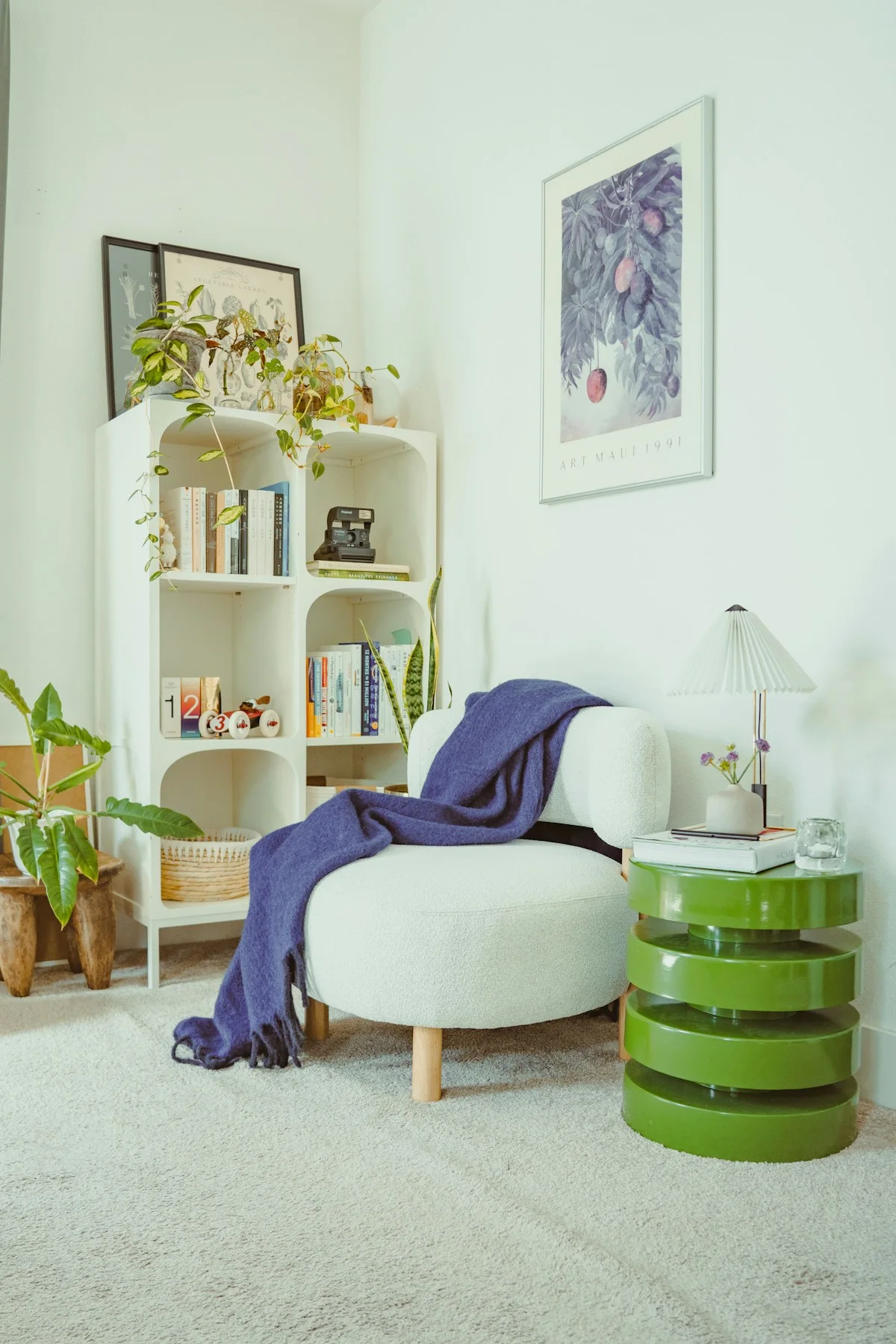
Lifestyle photography via Unsplash. Images illustrate the setting; pictured items are not product endorsements.
In this story
Some evenings end with a search for a charger, an argument with a wardrobe drawer and a final look at tomorrow's diary. A quieter routine begins with making those practical details less demanding. This is about creating a setting that supports your preferences, rather than treating a bedroom makeover as a solution to sleep difficulties. People have different schedules, responsibilities and needs. Choose an arrangement that makes your own evening easier to navigate, and leave room to adjust it when life changes.
Start with the way you use the space
Separate preparation for tomorrow from the moment of getting into bed. Put a bag, clothing or work essentials in their usual places while there is still enough attention to find them. Give unfinished tasks a written home outside the bedside surface if that helps you stop carrying them around. Look at the lighting from where you sit or lie, and check whether switches are conveniently reachable. A small practical change may be more helpful than introducing a long sequence of new habits.
Put the practical details in place
Keep a clear route around the bed, particularly if you get up during the night. Decide where devices belong and arrange charging safely according to their instructions, without trailing cables through the room. If you enjoy reading, keep a suitable light and one book accessible. If you share the room, discuss different preferences for sound, light and timing rather than assuming one routine suits both people. Use bedding layers you can adjust comfortably and follow their care instructions.
What to look for when buying
A bedside lamp should have a control you can find comfortably in the dark and a shade that suits the person sharing the room. Check whether the bulb is included, replaceable and compatible with any dimming function. For bedding layers, read fibre content and care requirements rather than relying on words such as calming. Judge these purchases as practical room equipment; they should not be expected to treat a sleep concern.
| Option | Why consider it |
|---|---|
| A simple directional bedside lamp | It can keep the controls straightforward and focus light on a book. |
| A lamp with several adjustable settings | It offers flexibility but may add controls you do not want to manage at bedtime. |
A straightforward lamp can be preferable when you want one familiar switch and a useful reading light. Additional settings are valuable only if you will use them without frustration. Compare where controls sit and whether a power cut or unplugging changes the setup. If the current lamp already works comfortably, moving it or changing a compatible bulb may answer the problem without introducing another device beside the bed.
Compare bedside lamp controls at IKEA UK. Ordinary retailer link; recommendations above concern categories, not tested individual products.
A purchase worth reconsidering
Avoid buying products because their names imply guaranteed rest or a medical benefit. Decorative lighting and bedding should be assessed for their practical features and your comfort. Persistent sleep difficulties deserve appropriate professional advice rather than a growing collection of accessories. The NHS provides general sleep guidance, which you can consult alongside your own circumstances.
Keep the change useful
Choose one or two steps that are easy to repeat, such as clearing the bedside table and preparing tomorrow's clothes. Notice whether they remove an actual irritation. Keep the routine flexible when caring responsibilities, travel or shift work affect the evening. A missed step is information about the routine, not evidence that you have done bedtime incorrectly.
Try the evening arrangement with tomorrow's essentials already prepared. Identify the moment when you usually get up again to fetch something, and give that item a reliable location if appropriate. Discuss light and noise preferences with anyone sharing the room. Do not turn the resulting sequence into a strict test of success. Keep what makes the evening more manageable and seek suitable advice for persistent sleep difficulties.
Frequently asked questions
Do I need a special bedroom gadget?
No. Start with the practical problem you want to solve. Clear controls, comfortable bedding and a reachable switch may be sufficient.
Will redecorating fix poor sleep?
A room can support comfort, but it cannot promise to resolve sleep problems. Seek appropriate advice if difficulties persist or concern you.
For general guidance, see the NHS advice on sleep.