A Laundry Routine for a Home Without a Utility Room
Give sorting, drying and putting away a workable place without turning the whole home into a laundry area.

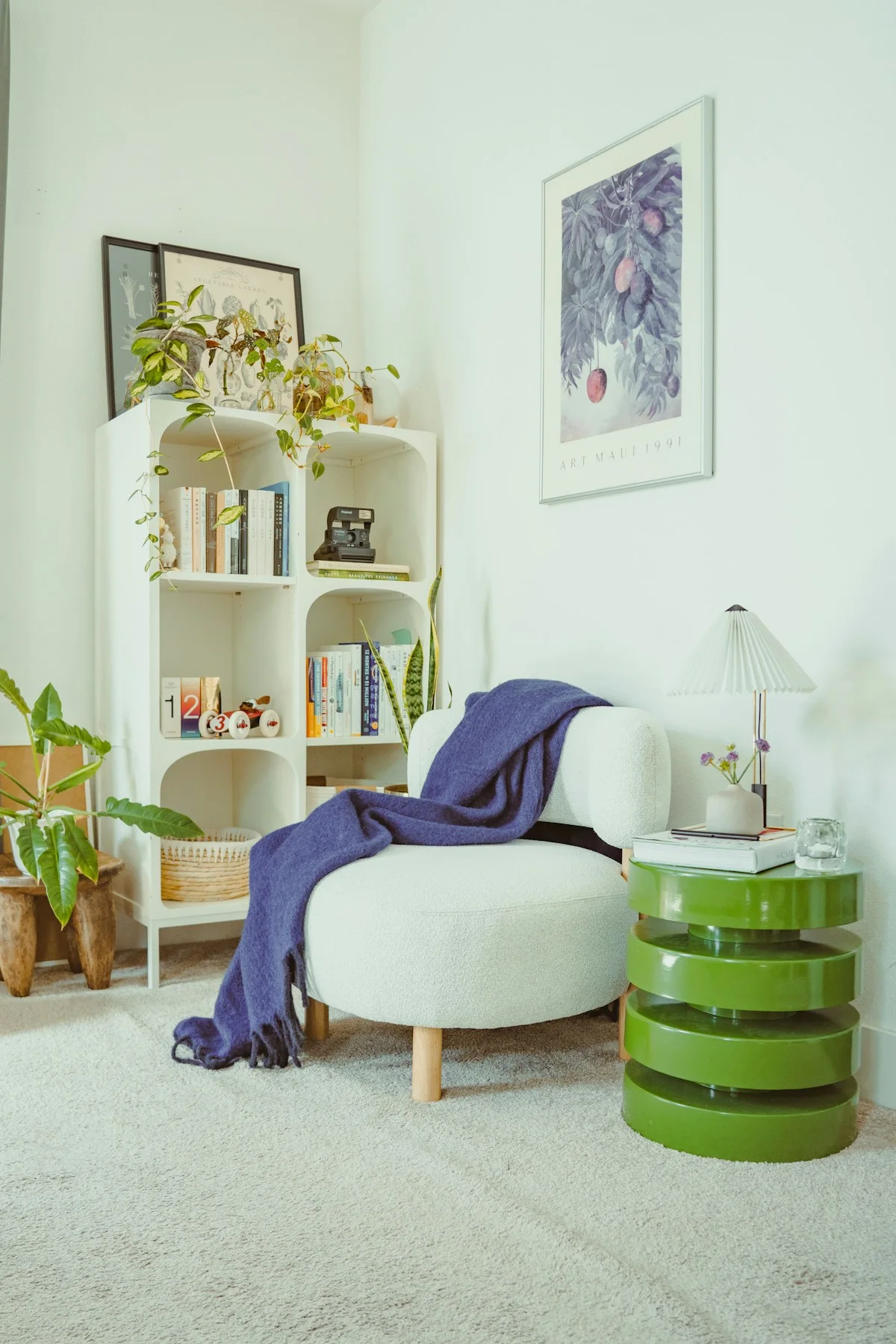
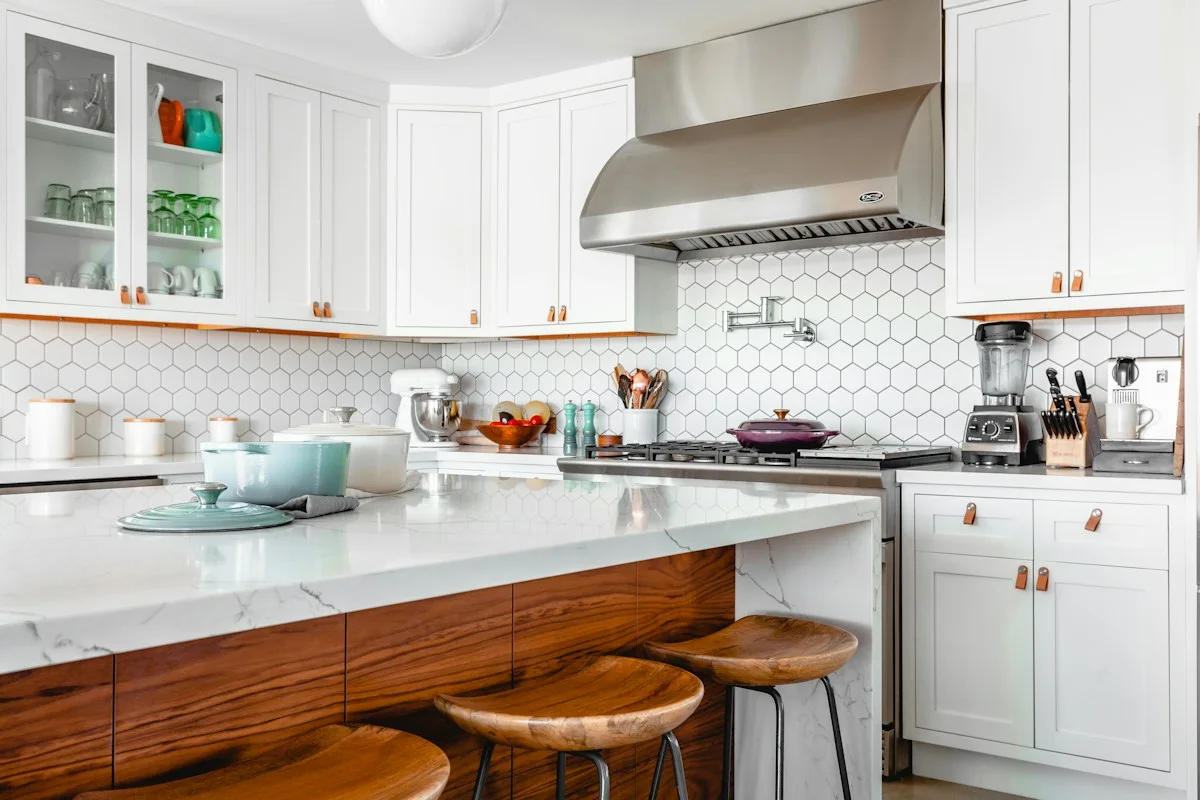
Lifestyle photography via Unsplash. Images illustrate the setting; pictured items are not product endorsements.
In this story
Without a utility room, laundry moves through several spaces: a basket in the bedroom, a machine in the kitchen, drying near a window and clean clothes on a chair. The difficult part is often the handover between stages. Washing another load does not help when the previous one has nowhere to dry or return. Start by following a normal load from start to finish. The arrangement should match your space and appliance instructions, not an imagined home with a dedicated room for every task.
Decide what the arrangement needs to do
Create a realistic place for dirty clothes that people will use, then decide where sorting happens. Separate items according to their care instructions rather than relying on a single rule for all fabrics. Keep laundry products in their original packaging where appropriate, safely stored according to the label and away from children. Plan drying before starting the wash. Available space, weather, ventilation and the requirements of the fabric all influence which method is suitable.
Put the practical details in place
Check the full open size of a drying rack and where it can stand without blocking movement or exits. Follow your appliance instructions and local guidance on moisture and ventilation when drying indoors. Do not drape laundry over equipment that is not designed for it. Give clean clothes a clear temporary surface, then return them to storage in a manageable batch. If folding is consistently delayed, simplify the categories or reduce the distance between the folding place and the cupboard.
What to look for when buying
A laundry basket needs handles that remain comfortable with a real load, especially if it travels on stairs. Check its empty weight and whether it can be cleaned after holding damp items. For a rack, compare the actual spacing between rails and the height available for longer garments. Read where the manufacturer says it may be used. An outdoor-looking finish does not by itself establish suitability for leaving equipment outside.
| Option | Why consider it |
|---|---|
| A folding rack and easy-carry basket | It can be stored between loads but needs setting up each time. |
| A larger fixed drying arrangement | It offers a permanent place for the task but takes space even when empty. |
A folding rack is practical when the drying area serves another purpose between loads. Check whether the folded rack fits its intended storage place without falling into a route. A fixed arrangement saves setup but permanently occupies part of the room. Choose around the garments you dry most often and the ventilation available. Buying a larger rack should not create pressure to wash more than the space can reasonably accommodate.
Compare clothes drying racks at IKEA UK. Ordinary retailer link; recommendations above concern categories, not tested individual products.
A purchase worth reconsidering
Avoid buying a rack solely by its advertised hanging capacity. Long garments, towels and small items use the space differently. Check whether your typical load fits without excessive overlapping, and whether you can still move around it. A huge rack that blocks the room may be less practical than a smaller routine with a sensible washing schedule.
Keep the change useful
Before loading the machine, check that you can complete the next stage. Once dry, separate clothes by where they will be put away so carrying them back is straightforward. There is no need for every item to be folded into a decorative rectangle; follow garment care and choose storage that makes daily dressing easier.
Follow a completed load back to the wardrobe. If the clean washing waits in a basket, identify whether sorting, folding or reaching storage is causing the delay. Try carrying categories to their destination before folding everything together. Check the empty drying rack as well: a temporary arrangement should genuinely disappear when it is finished, rather than becoming a permanent obstacle near the kitchen table.
Frequently asked questions
Do I need separate baskets for every colour?
Not necessarily. Separate storage can help some households, but sorting before washing may suit a smaller home. Follow care labels.
Is a bigger drying rack always better?
Only if it fits safely and suits the garments. Check its working dimensions and storage position as carefully as its capacity.