Organise One Cupboard at a Time and Keep It Useful
Use one manageable storage project to build an arrangement that is easy to maintain.
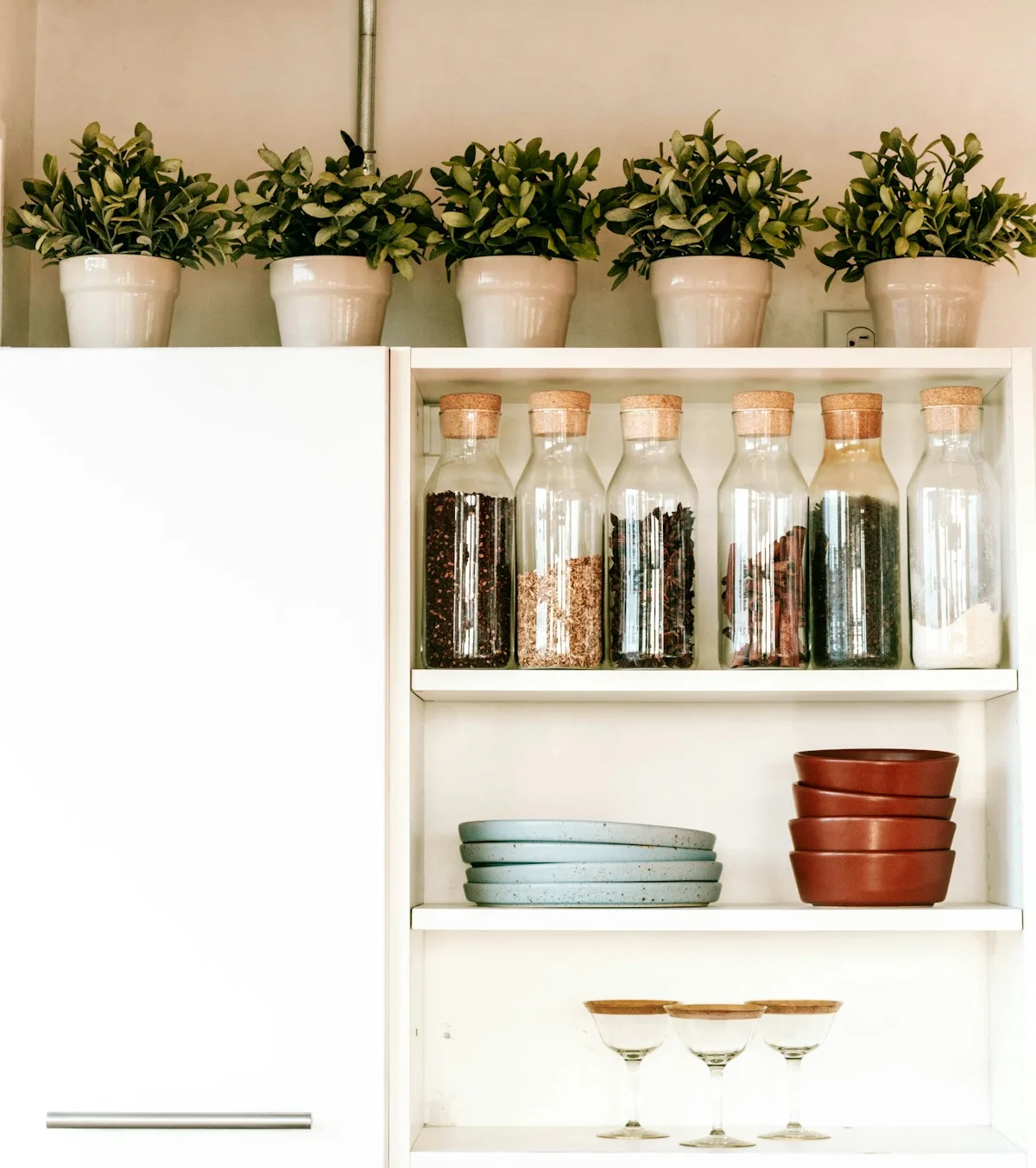
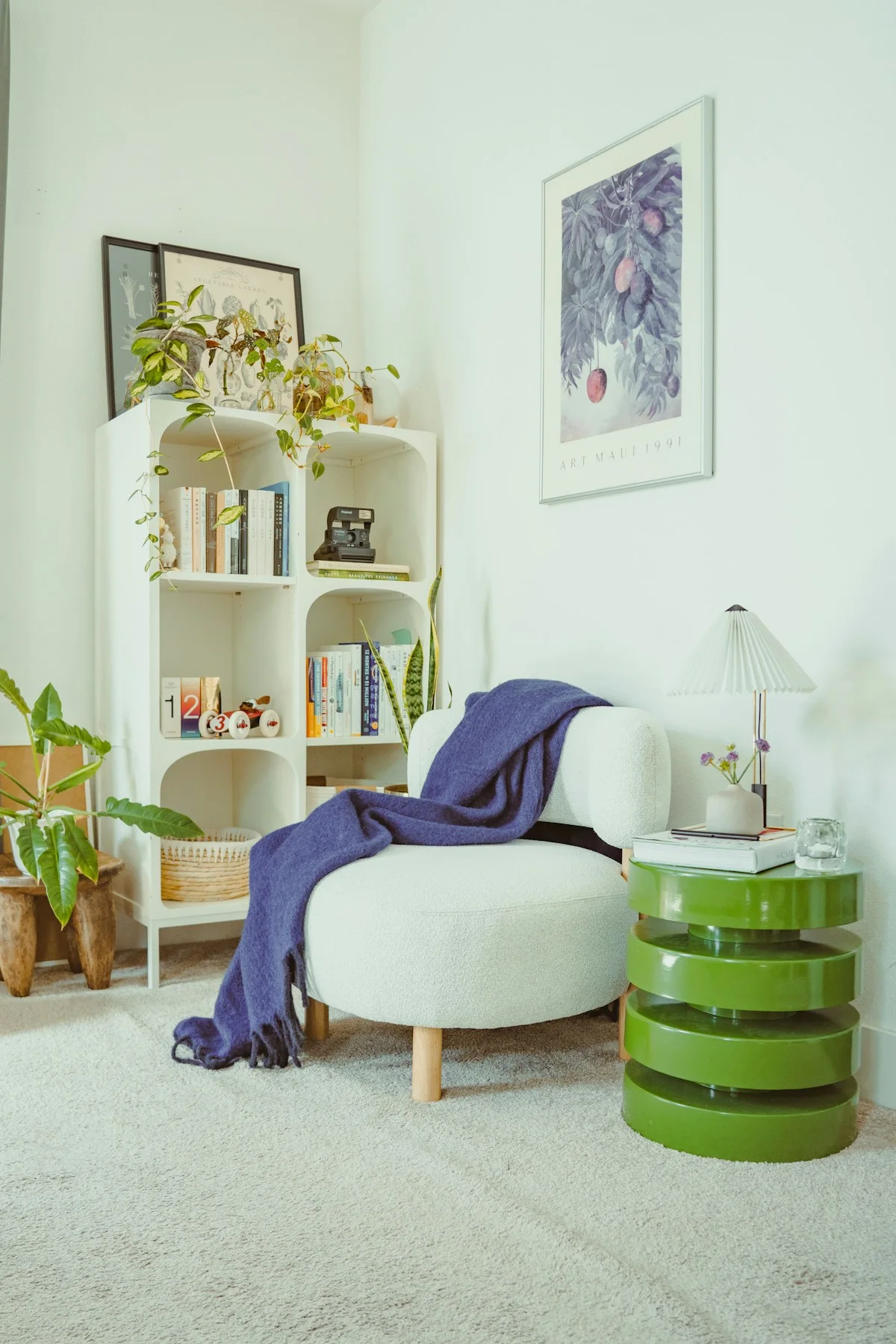
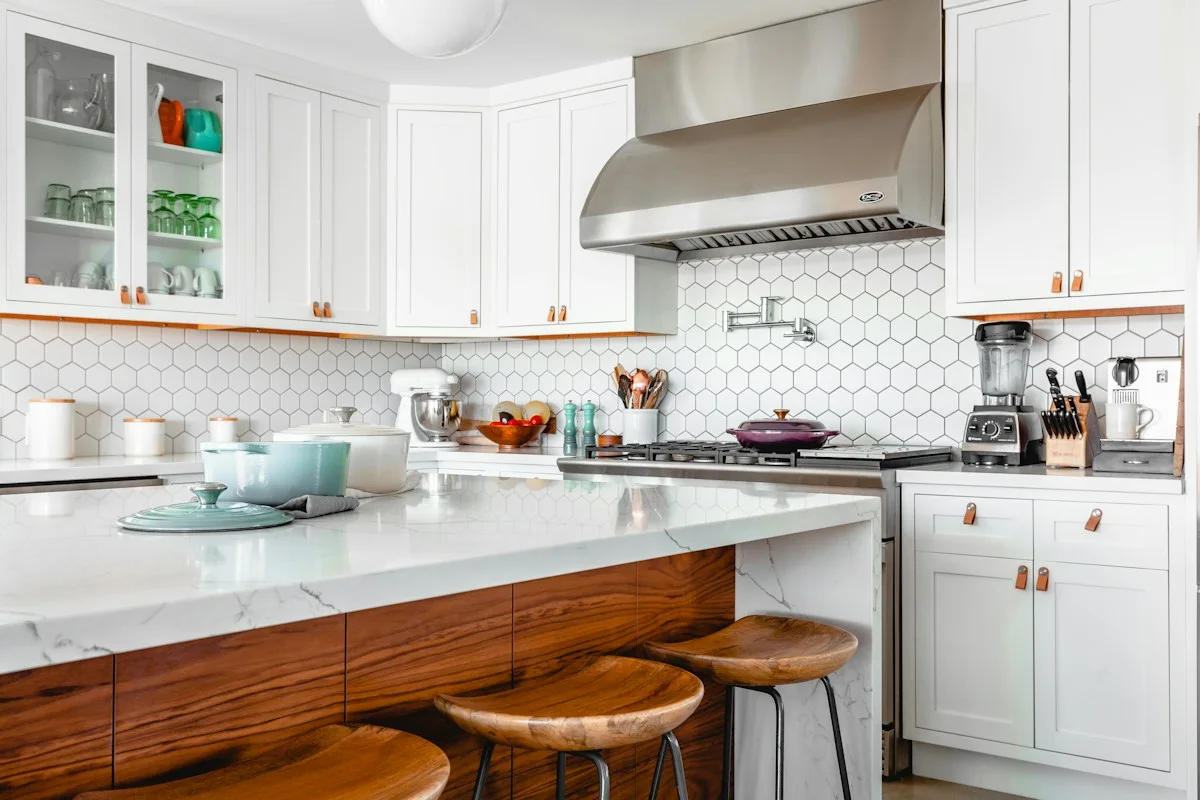
Lifestyle photography via Unsplash. Images illustrate the setting; pictured items are not product endorsements.
In this story
Opening every cupboard at once can turn a small intention into an entire house of unfinished piles. Choose one cupboard that interrupts daily life: perhaps the shelf where lunch boxes fall out or the place where spare towels are hard to find. A useful organising project has a clear boundary and a purpose. You should know what the cupboard will help you do when it is finished. That is a better starting point than the appearance of perfectly identical containers in somebody else's home.
Start with the way you use the space
Empty the chosen space onto a surface you can clear again the same day. Separate things that belong there from things that have arrived by accident. Check what is damaged, duplicated or no longer useful, and handle disposal or donation appropriately. Clean the empty shelf before replacing items. Then group things according to the task they serve. Everyday items should be easiest to reach; occasional supplies can occupy less convenient spots as long as they remain identifiable.
Try the arrangement before committing
Measure usable depth and height after checking hinges, pipes and other obstructions. A container that fits the shelf may still be impossible to lift out when full. Keep the heaviest practical loads low and follow furniture guidance. Leave a little flexibility for items returning from use; an arrangement that only fits when everything is perfectly folded may be frustrating. If several people use the cupboard, simple labels can describe categories without prescribing exactly where every small object must sit.
What to look for when buying
Storage boxes should be chosen after the cupboard categories are clear. Check whether an internal divider is removable and whether handles remain accessible when the box is on the shelf. A transparent container can reveal supplies quickly, but a readable label may work just as well for an opaque one. For heavy contents, compare the filled weight with what you can comfortably lift from that particular shelf, not from waist height.
| Option | Why consider it |
|---|---|
| Open containers for frequent categories | It reduce the number of steps between using and returning an item. |
| Stackable lidded boxes for occasional supplies | It can protect less-used items but require lifting or unstacking to reach them. |
Open baskets suit supplies that return frequently, such as scarves or spare tea towels. A lid can protect occasional items or stop small pieces escaping, but it introduces another action whenever the contents are needed. Stacking is efficient only when the lower box is rarely required. If several people reach into the cupboard daily, keeping categories side by side may be more convenient than extracting a pile each time.
Browse cupboard baskets and boxes at IKEA UK. Ordinary retailer link; recommendations above concern categories, not tested individual products.
A purchase worth reconsidering
Avoid ordering organisers before sorting. It is easy to spend money storing items you do not need, or discover the new containers are too tall for the useful shelf. Keep a temporary arrangement for a few days if necessary. The awkward detail that remains will tell you more about the right purchase than an empty cupboard does.
Keep the change useful
Revisit the cupboard after ordinary use. If objects keep returning to the wrong place, the categories may be unclear or the intended position too awkward. Adjust the arrangement rather than treating it as a failure of discipline. A successful cupboard is one the household can restore without remembering an elaborate system.
Use the cupboard without restyling it before assessing the result. Can you find the thing you want and return it with one free hand? Check whether smaller items have fallen between categories or behind containers. If something is hard to locate, change the group or label before buying another organiser. Keep a little room for supplies returning from use, because the cupboard should function when every towel is clean too.
Frequently asked questions
Should everything go in matching boxes?
No. Consistency may look calm, but access and fit matter more. Existing containers can work well when categories are clear.
What if I cannot finish a whole cupboard?
Choose one shelf or category with a defined stopping point. Leave enough time to clear the working surface before stopping.