Style Shelves with Space for the Things You Use
Give books and meaningful objects a clear arrangement without turning storage into a display chore.
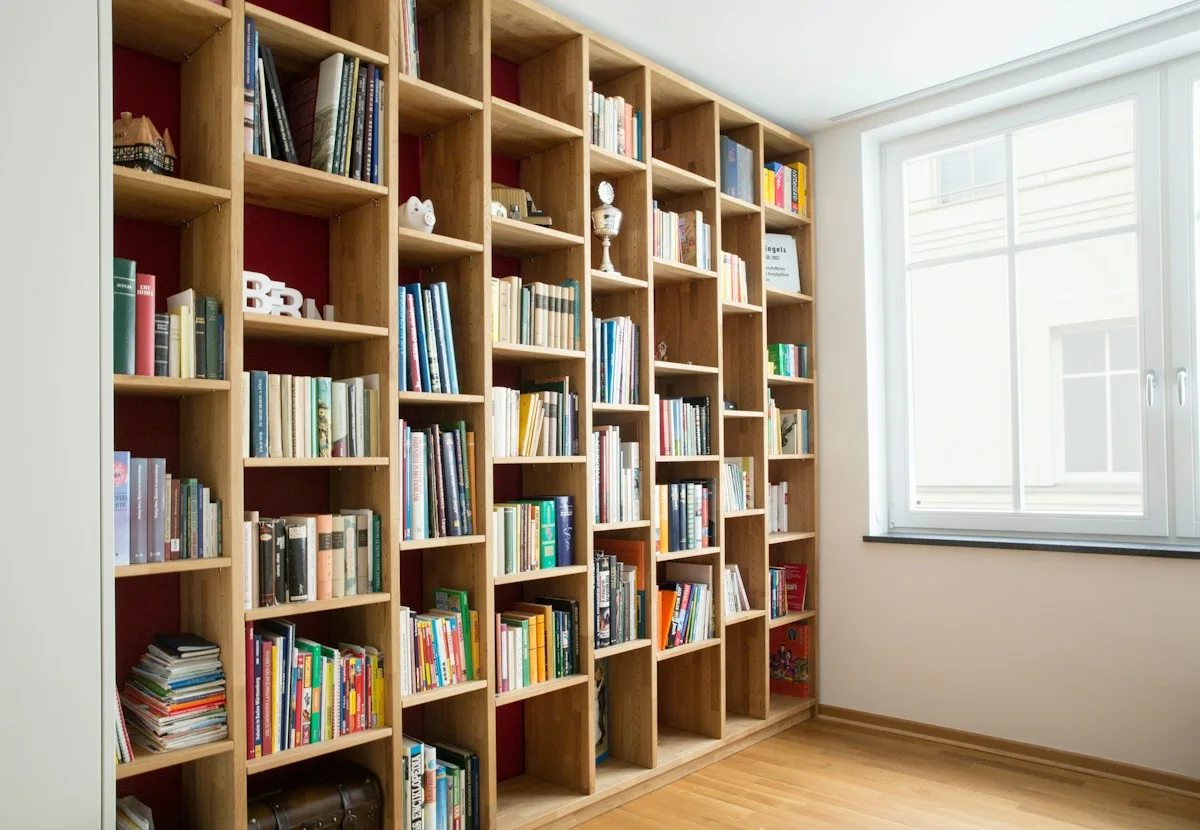
Lifestyle photography via Unsplash. Images illustrate the setting; pictured items are not product endorsements.
In this story
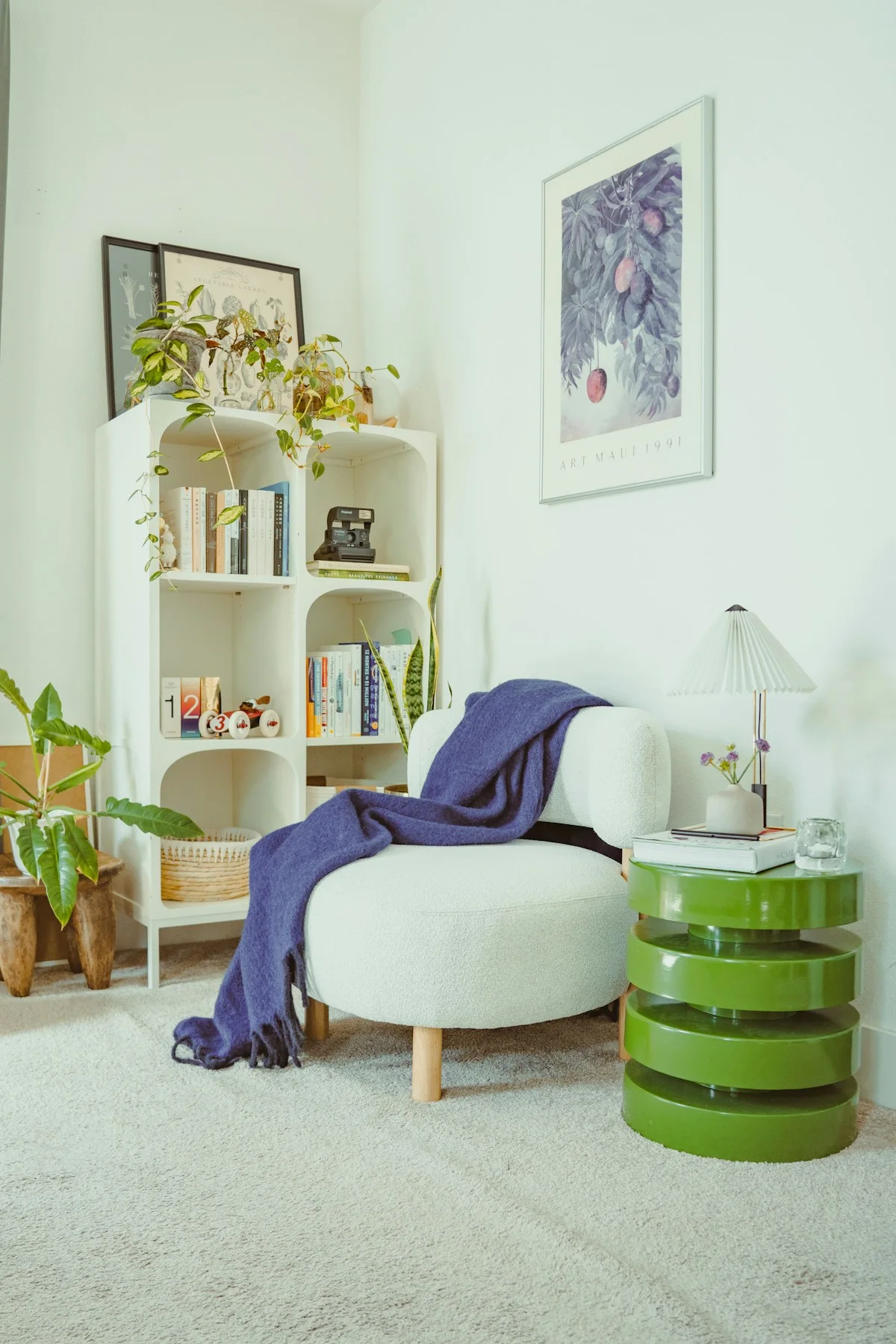
A shelf can hold a family photograph, a stack of novels, the bowl you love and the paperwork you have not dealt with yet. Styling it does not require pretending the last category does not exist. Separate useful storage from display, then allow both to have an honest place. The aim is a shelf you can use without dismantling a sculpture of accessories. A little empty space makes individual things visible and gives returning a book somewhere obvious to put it.
Give the everyday tasks a clear place
Take everything off one shelf and sort it by purpose. Keep books together where they are easy to retrieve. Group smaller loose objects in a container only if you still need access to them there. Choose a few display pieces with meaning or a useful connection in colour, shape or material. Place the heavier-looking objects lower in the arrangement, while respecting the shelf's actual load limits. Repeating a small amount of space between groups can make an uneven collection feel composed.
Try the arrangement before committing
Check that the shelves and fixings are suitable for what they carry, following installation and load guidance. A book-filled shelf is a different proposition from a few lightweight ornaments. Keep frequently handled items near a comfortable reach and fragile pieces away from busy edges. Stand back after arranging each section. If every gap contains a miniature object, remove one group and see whether the remaining pieces are easier to appreciate. Practical shelves should still be straightforward to dust.
What to look for when buying
Choose shelf containers from the items they will hold: paperback books, cables and loose photographs have different dimensions and access needs. Measure the inside of the container, not just its advertised exterior. Check whether handles project beyond the shelf and whether a lid can open in place. Avoid filling a large basket with a weight you cannot comfortably lift; several smaller categories may be more useful than one impressive-looking storage box.
| Option | Why consider it |
|---|---|
| One open basket for small everyday items | It makes returning frequently used objects easy and keeps the contents visible. |
| A matching set of lidded boxes | It creates a quieter appearance but can hide items and complicate regular access. |
An open basket is convenient for frequently used items because returning them does not involve a lid or a stack. Lidded boxes suit things you want to protect or use less often, provided their labels make sense. Mixing the two can work better than choosing a single format for the whole unit. Reserve visible shelf space for objects you enjoy seeing and place routine supplies where retrieval remains straightforward.
Compare shelf baskets and boxes at IKEA UK. Ordinary retailer link; recommendations above concern categories, not tested individual products.
A purchase worth reconsidering
Avoid buying ornaments solely to fill empty spaces. The gap may be doing useful visual work, and another object also needs cleaning and storage when tastes change. Work with books, photographs and pieces you already value before adding anything new. A shelf does not have to resemble a shop display to feel finished.
Keep the change useful
When adding a new book or object, reconsider the group it joins. Move or remove something if the arrangement becomes difficult to use. Keep a separate place for paperwork awaiting action so the display does not quietly turn into a backlog. Small regular decisions are kinder than repeatedly emptying the entire unit.
Take out a book from the middle of the arrangement and put it back. If several ornaments must move first, the display is interfering with the storage. Remove a filled basket and check whether it can be handled without scraping nearby objects. Look at the shelves after a normal week: a cluster of loose items may need a practical category, while an untouched accessory may simply be unnecessary.
Frequently asked questions
Should books be organised by colour?
Only if that makes them easy for you to find. Author, subject or simple height groups may serve a working collection better.
Can practical storage look attractive?
Yes. Consistent containers and clear groupings can look calm, but choose them around the objects they must hold.