Arrange Flowers for an Everyday Table, Not a Special Occasion
Make a modest bunch feel considered with the right vase, a useful height and simple care.
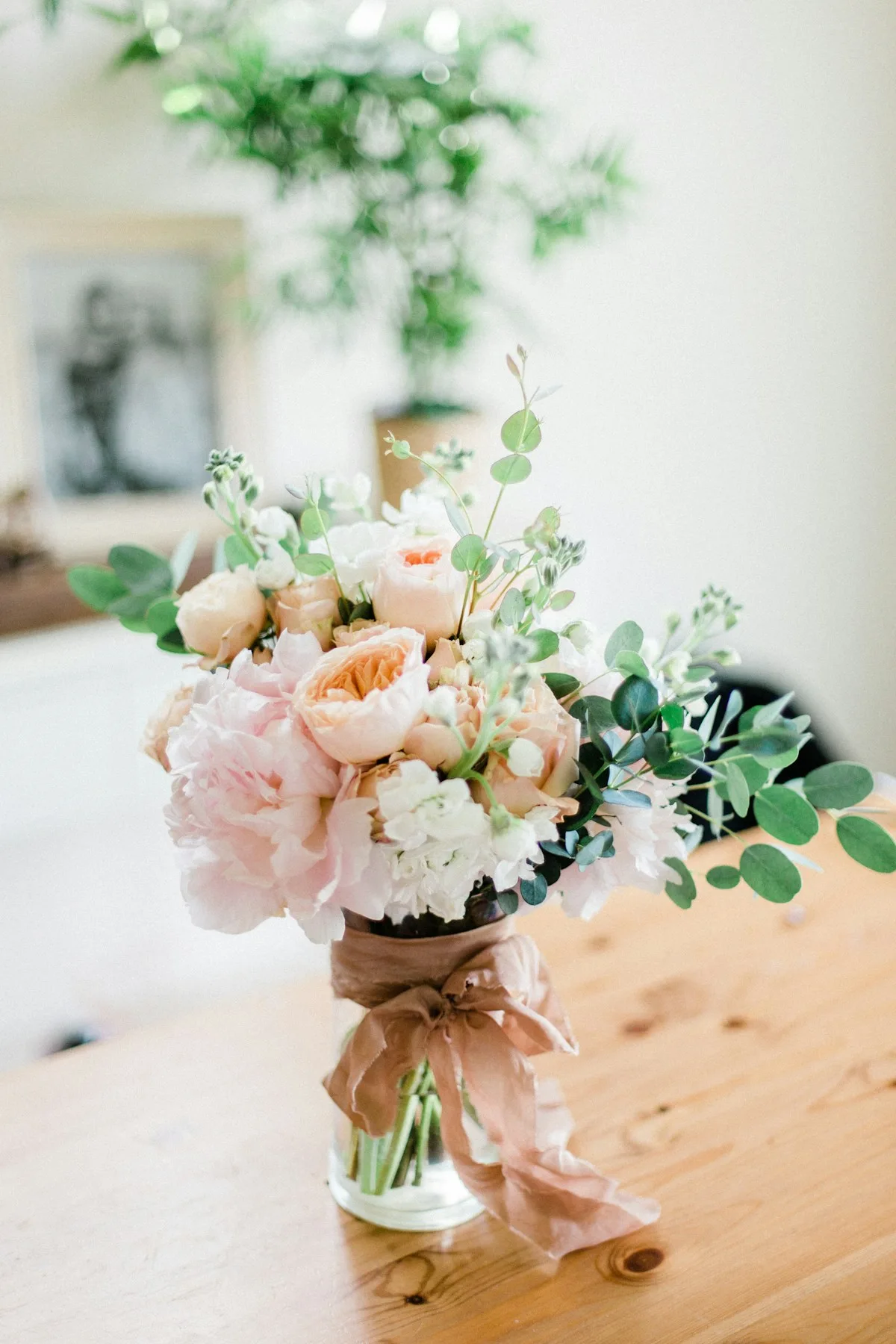
Lifestyle photography via Unsplash. Images illustrate the setting; pictured items are not product endorsements.
In this story
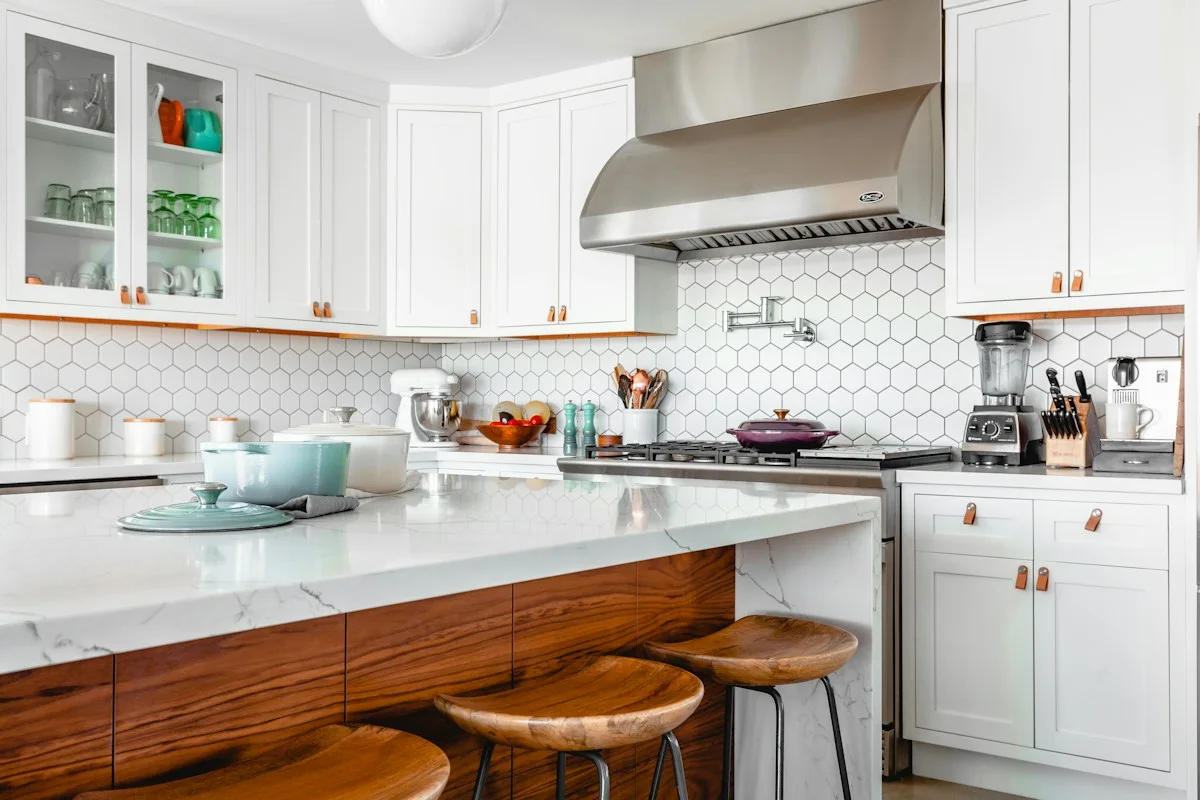
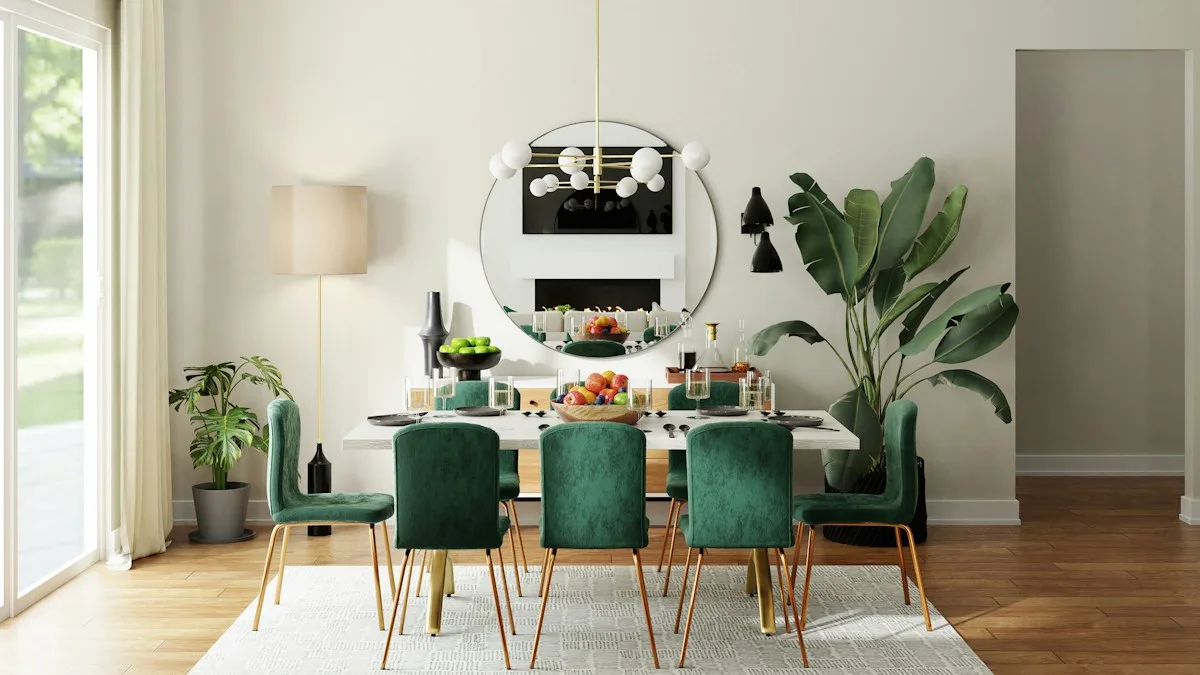
Flowers do not have to announce an event. A few stems on the kitchen table can mark the difference between a work surface and somewhere you want to sit. The arrangement should suit the table's other jobs, though. Tall branches may look striking by a wall but block conversation at dinner. A wide vase can occupy the only free spot for serving dishes. Begin with where the flowers will live, then choose the scale of the bunch and its container.
Decide what the arrangement needs to do
Look for a vase opening that supports the stems you have rather than forcing a loose bunch into an enormous vessel. A narrow opening can hold a few stems naturally; a wider one invites a fuller arrangement. Place the vase where it will not be repeatedly knocked as people reach across the table. If the flowers are for meals, sit down and check the view across them. Smaller arrangements can move easily when the table changes from breakfast to laptop work.
Put the practical details in place
Start with a clean container and follow the supplier's care guidance for the flowers. Remove foliage that would sit below the water, and check the water and stems as the arrangement changes. Different flowers do not always age together, so removing a tired stem can keep the remaining arrangement intentional. Use what is still attractive rather than trying to preserve the original silhouette. If there are pets or young children in the household, check the suitability of the specific plant before bringing it home.
What to look for when buying
A vase is easier to choose when you picture the stems you buy most often. A narrow neck can support a few flowers but may be difficult to scrub inside. A wide opening is accessible for cleaning yet may need more stems to look balanced. Check the base for stability and the listing for watertight use. Opaque ceramic hides untidy stems, while transparent glass lets you see when the water needs attention.
| Option | Why consider it |
|---|---|
| A small glass vase for a few stems | It uses less table space and makes a modest selection feel deliberate. |
| A broad ceramic vase for a fuller bunch | It supports a stronger display but may hide the water level and need more storage. |
The small glass vase suits a kitchen table that must repeatedly clear for other activities. It also makes a single interesting branch or a modest bunch feel deliberate. A broader ceramic vessel works better on a sideboard or a table with enough spare room for its footprint. Think about carrying the filled vase to a sink: an impressive shape can be inconvenient if it offers nowhere secure to grip.
Explore everyday vase shapes at IKEA UK. Ordinary retailer link; recommendations above concern categories, not tested individual products.
A purchase worth reconsidering
Avoid buying a large decorative vessel without checking whether it can hold water safely. Some pieces need an inner container, and porous finishes may not suit direct use. Protect valuable surfaces from moisture and move the arrangement carefully. A beautiful vase should not become a maintenance problem for the furniture underneath it.
Keep the change useful
Refresh the arrangement as part of clearing the table. Remove fallen material, check the surface beneath and decide whether the flowers still fit their location. Keeping one useful vase within reach makes spontaneous flowers easier than collecting a cupboard of containers that are all awkward to use.
Sit opposite the arrangement at the table and see whether you can comfortably make eye contact. Move the vase before trimming stems simply to suit a photograph. Check the surface beneath for condensation or drips whenever refreshing the water. As individual flowers fade, try a smaller container for the remaining stems. The final days of a bunch can have a different, equally useful shape from the first.
Frequently asked questions
Can a few stems look enough?
Yes. Choose a proportionate container and give the stems room. A small arrangement can feel more relaxed than an overfilled vase.
Are dried flowers easier?
They need different care and can collect dust. Consider where they will stand, their fragility and the care advice supplied with them.